
Movement disorders are neurological conditions that affect the speed, fluency, quality, and ease of body movements. These disorders can interfere with daily activities, mobility, balance, and overall quality of life. Early diagnosis and specialized neurological care are essential for managing symptoms and improving long-term outcomes.
At BG Neurology, LLC, we provide comprehensive evaluation and treatment for patients experiencing tremors, muscle stiffness, involuntary movements, balance issues, and other neurological symptoms related to movement disorders.
What Are Movement Disorders?
Movement disorders are conditions caused by abnormalities in the nervous system that affect how the body moves. Some disorders lead to excessive or involuntary movements, while others cause slowed or reduced movement.
Common movement disorders include:
- Parkinson’s disease
- Essential tremor
- Dystonia
- Huntington’s disease
- Tourette syndrome
- Ataxia
- Restless legs syndrome
- Tremors and gait disorders
These neurological conditions can affect people of all ages, though some are more common in older adults.
Common Symptoms of Movement Disorders
Symptoms vary depending on the specific condition but may include:
- Tremors or shaking
- Muscle stiffness or rigidity
- Slowed movement (bradykinesia)
- Difficulty walking or maintaining balance
- Involuntary muscle contractions
- Jerking or repetitive movements
- Coordination problems
- Changes in handwriting
- Muscle spasms
- Difficulty speaking or swallowing
If you notice persistent movement-related symptoms, it is important to seek evaluation from a neurology specialist.
Causes of Movement Disorders
Movement disorders can develop for many reasons, including:
- Degenerative neurological diseases
- Genetic conditions
- Brain injury or stroke
- Medication side effects
- Autoimmune disorders
- Infections affecting the nervous system
- Metabolic abnormalities
In some cases, the exact cause may not be immediately clear and may require advanced neurological testing.
How Movement Disorders Are Diagnosed
At BG Neurology, LLC, we use advanced diagnostic tools to accurately identify movement disorders and determine the most effective treatment plan.
Diagnostic services may include:
- Comprehensive neurological examinations
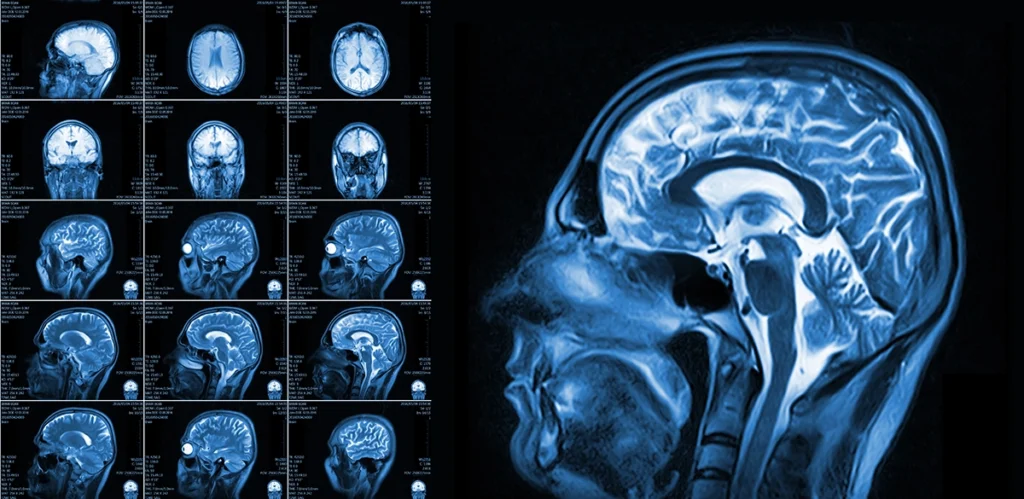
- MRI imaging
- EMG (Electromyography)
- EEG (Electroencephalogram)
- Cognitive testing
- Laboratory testing
- Balance and gait evaluations
Accurate diagnosis is critical for developing personalized treatment strategies and improving symptom management.
Treatment Options for Movement Disorders
Treatment depends on the underlying condition and severity of symptoms. Our neurology team develops individualized care plans designed to improve movement, mobility, and quality of life.
Treatment options may include:
Medication Management
Many movement disorders can be managed with medications that help regulate brain signaling and muscle control.
Physical Therapy
Targeted therapy can improve strength, flexibility, balance, and coordination.
Lifestyle Modifications
Exercise, sleep optimization, nutrition, and stress management can help reduce symptoms and improve daily function.
Ongoing Neurological Monitoring
Regular follow-up appointments allow treatment plans to be adjusted as symptoms evolve over time.
When to See a Neurologist
You should schedule a neurological evaluation if you experience:
- Persistent tremors
- Difficulty walking or balancing
- Muscle stiffness
- Unexplained involuntary movements
- Frequent falls
- Progressive coordination problems
- Changes in speech or movement speed
Early neurological care may help slow progression and improve symptom control.
Expert Movement Disorder Care at Carolina Neurology
At BG Neurology, LLC, we are committed to helping patients receive compassionate, comprehensive neurological care for movement disorders and related conditions.
Our clinic provides advanced diagnostic testing and personalized treatment plans tailored to each patient’s unique neurological needs.
Schedule a Consultation
If you or a loved one is experiencing tremors, balance issues, muscle stiffness, or other movement-related symptoms, our team is here to help.
Call (864) 577-9107 today or click the link below to schedule a consultation with Carolina Neurology.